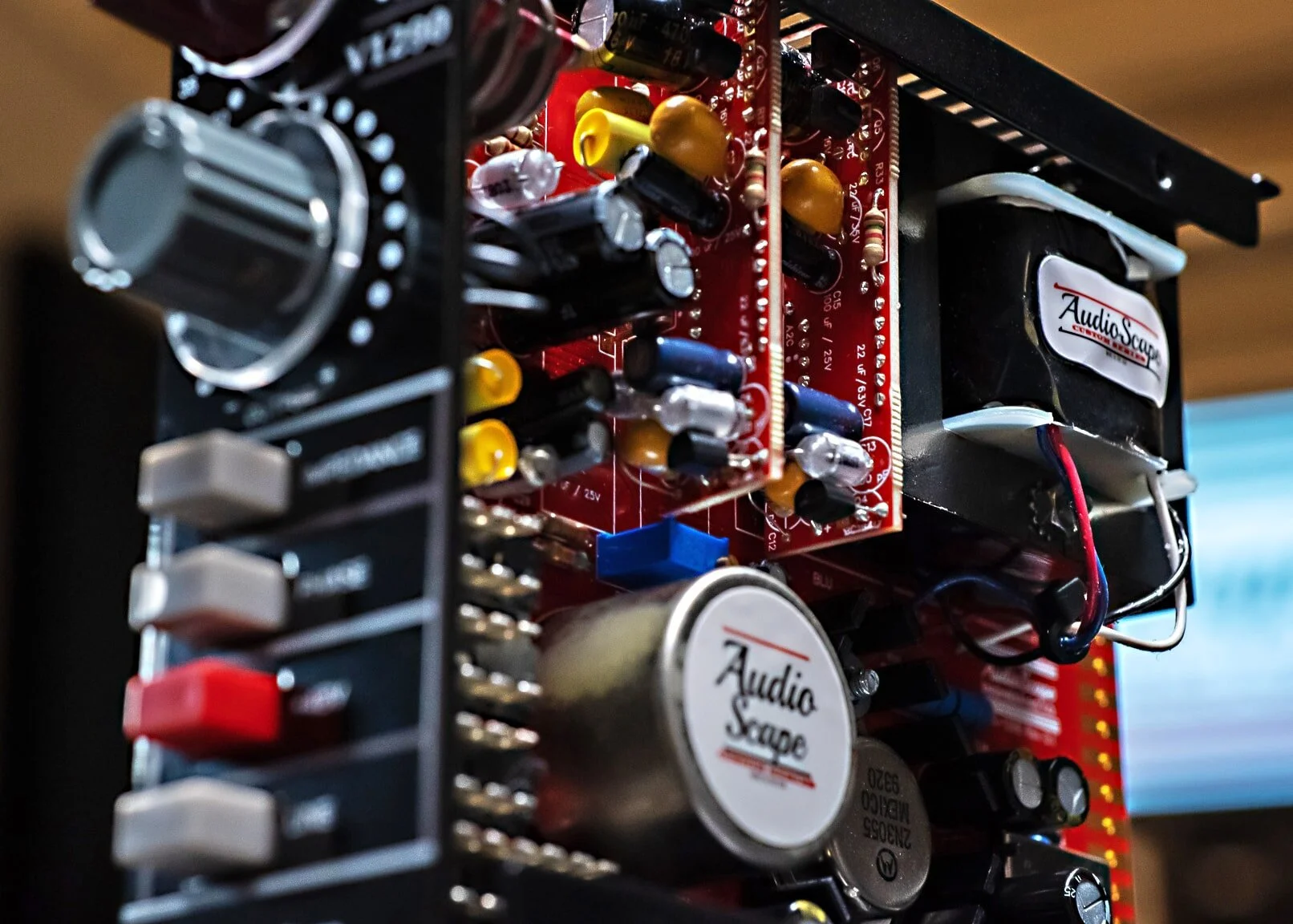


With the V1290 making it back to the site earlier this week, we wanted to share a little bit of the history behind our particular build of this class-A preamp.
No question, there are many options out there for “73” style preamp recreations. But when we decided we’d build one back at the beginning of this decade, we wanted to really do it right!
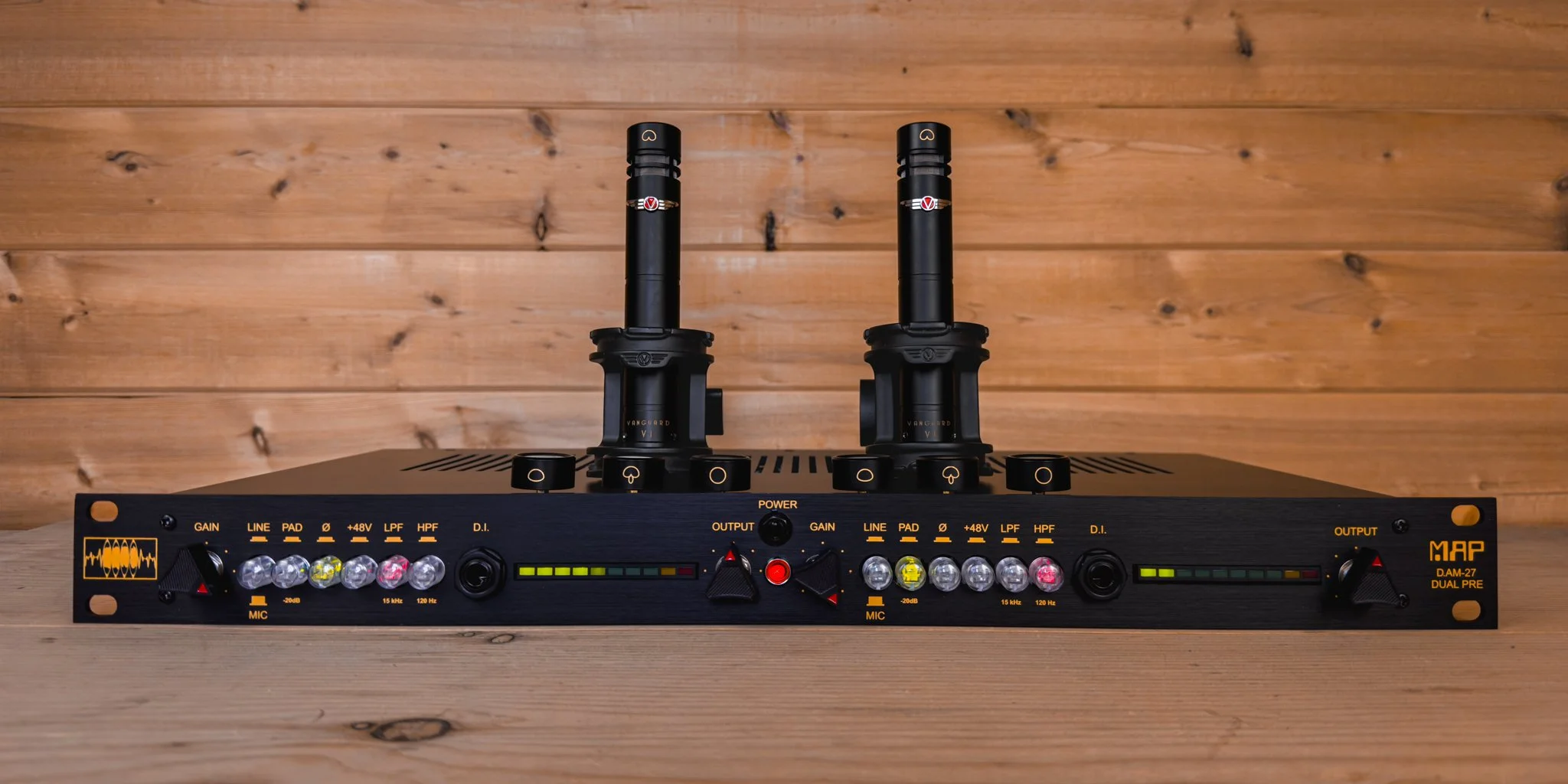
From now until March 15, you can enter our sweepstakes for a chance to win this savory signal chain featuring two modern classics inspired by the best of the best of yesteryear:
Vanguard Audio Labs V1S gen2 Stereo Pencil Condenser System
+
AudioScape MAP D.AM-27 Dual Channel Mic Preamp
As you’ve seen, we’ve recently been introducing Deluxe versions of our standard products that include mods many of you have been requesting for years. We’re always listening to what you have to say! You are our North Star, and customer requests fuel much of our product development. We are happy to oblige, offering more options, while maintaining our traditional bread and butter products that so many rely on daily.
But, to be clear, there is one idea we will never subscribe to when it comes to mods on classic designs:
Our team recently had the privilege of catching up with John DiBiase, and spoke with him about his affinity for the 260VU, and how he used it on Taj Mahal’s 2024 Grammy-winning album.
In the audio world, of course, we only delight in its awesome applications for amplifiers, preamps, dynamics processors and microphones, completely ignoring the fact that from the beginning of the 20th century for nearly 70 years, throughout the industrial age, vacuum tubes were at the heart of computers, industrial control systems, televisions, telephony, and virtually all data transmission from land, sea, space and air.
by J-Man
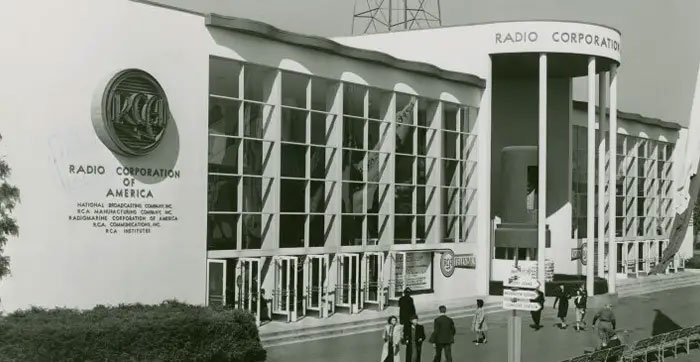
This week we want to celebrate RCA’s 105th birthday and pay tribute to one of the 20th century’s preeminent audio and communications company.
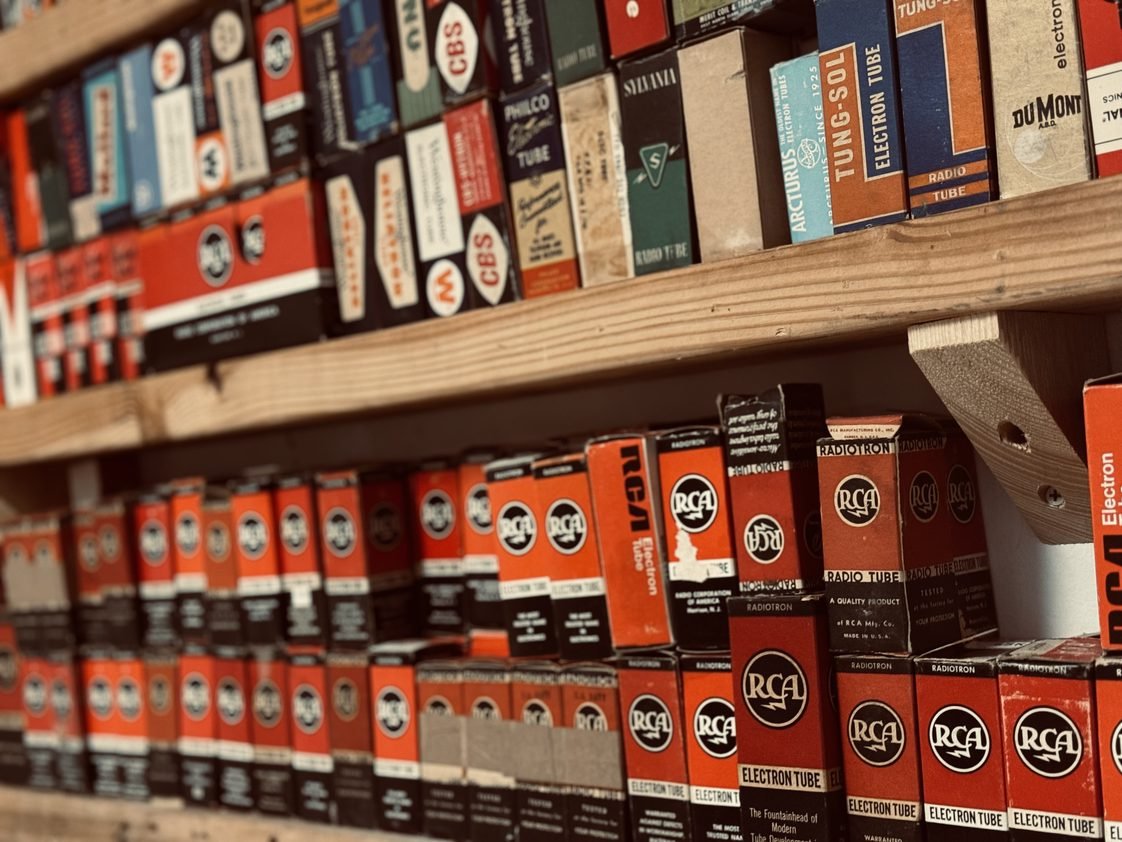
Everyone knows RCA tubes. Heck, I can remember RCA tube testers at the front of the supermarket when I was a kid. We all know that RCA Tubes are considered to be some of the finest sounding tubes you can get. They are highly sought after by music creators and audio enthusiasts everywhere, especially the legendary 12AX7 and 6V6 tubes. The compact, high-gain, dual-triode design of those tubes was key in changing the sound of popular music from the late 1940s onward. A leader in the science of vacuum tube technology, tubes were also a big profit-center for RCA. Beside being the nation’s leading manufacturer of vacuum tubes, their dominance in tube patents was so strong that it gave them the power to set prices in the US market. But there’s a lot more to RCA’s history than just tubes.
At the turn of 2020 I had been given a seemingly simple task: produce a backing track for my daughter’s upcoming singing competition. It was an enjoyable experience but, little did I know, I was about to stumble into a very frustrating issue that inadvertently plagues modern producers — it is something I call “Upgrade Hell”. This is the constant need to upgrade software to maintain compatibility across a vast production landscape. And, as I quickly learned, things don’t always work out the way you think.
We’re often asked if we recommend putting the “XYZ-brand” T4B into our Opto Comp and DA-3A.
The answer is emphatically, NO! I’ll explain:
In 2017, during the development of the Opto Comp, I dug in hard repairing and deconstructing vintage T4A and T4B optical cells from vintage LA-2A’s (btw, some of these units even used 3 photocells instead of 2; shows how much they cared about matching metering to the actual compression back then!). Every one of them, literally, was built in a way I hadn’t seen from any other manufacturer before. This research informed our decision to start making our own optical cells, in the same tradition as the originals.